
In 2026, giving corporate gifts has moved beyond mere appreciation to become a strong way to express a company’s values.
Businesses around the world are now choosing sustainable gifts to align with their ESG goals, reduce their environmental impact, and build stronger connections with their stakeholders. At the core of this change is the decision to use eco-friendly materials.
Picking the right sustainable materials helps reduce a brand’s carbon footprint and makes it look more responsible and eco-conscious.
This guide explores the top eco-friendly materials for corporate gifts, helping companies make smart, meaningful choices.
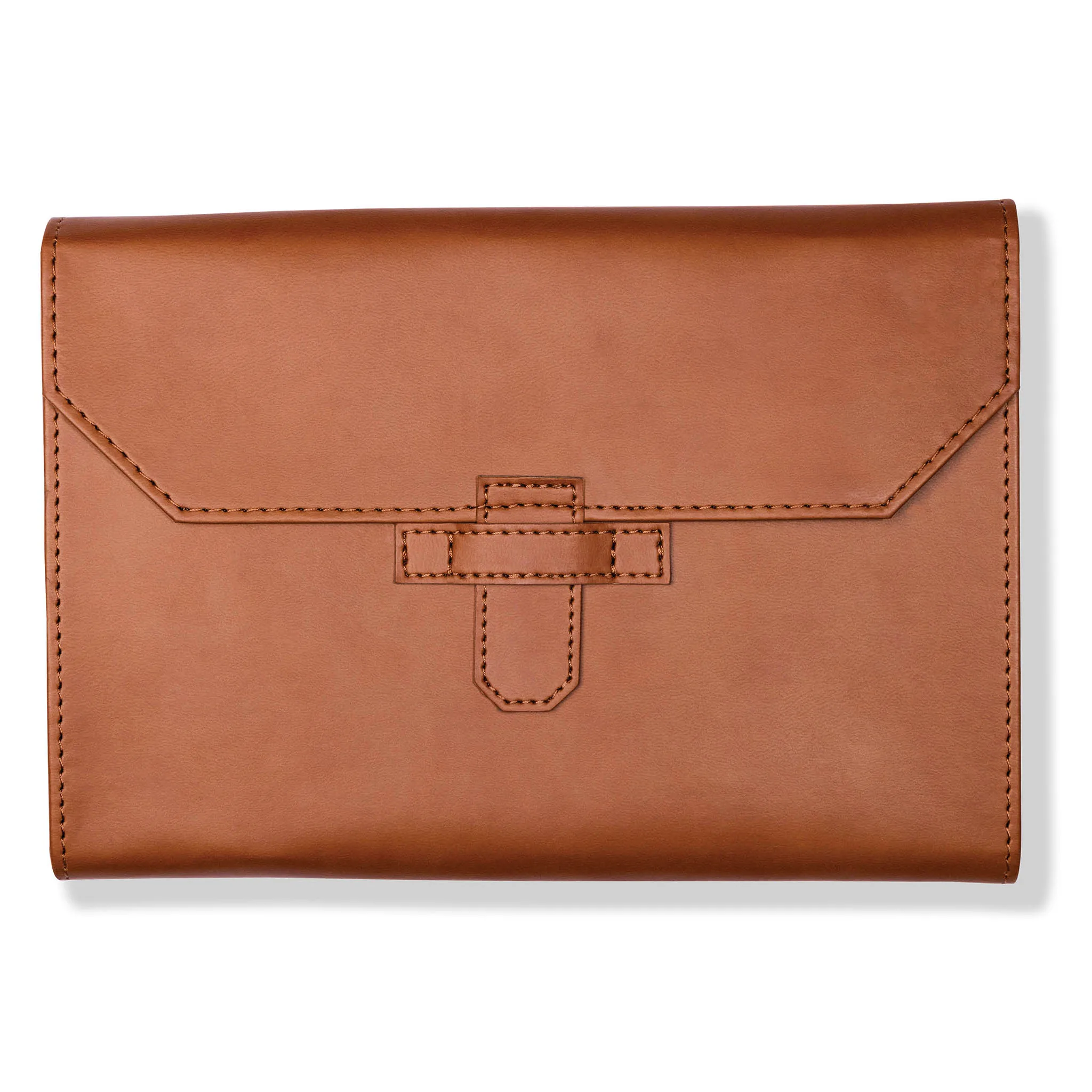
Introduction to Eco-Friendly Materials in Corporate Gifting
Corporate gifts are given to employees, clients, and partners, often in big numbers.
Traditional materials like plastic, virgin leather, and non-recyclable metals are major contributors to waste and pollution. Eco-friendly materials, on the other hand, are made responsibly, have a smaller environmental impact, and are designed to be reused, recycled, or safely returned to the earth.
Using sustainable materials in corporate gifting shows a company cares about the environment, appeals to people and employees who value sustainability, and can help a company earn green certifications.
In India and around the world, rules and customer preferences are pushing companies to use greener alternatives.
Natural and Renewable Plant-Based Materials
These materials come from plants that grow quickly and can be used again without harming the environment.
They also require less processing, reducing their environmental impact.
– Bamboo: One of the fastest-growing plants on Earth.
It’s strong, light, and naturally resistant to bacteria. It’s great for notebooks, pens, drink bottles, and desk organizers. Bamboo uses much less water than cotton or wood.
– Cork: Taken from the bark of cork oak trees without damaging the tree.
It grows back every 9 to 12 years. Perfect for coasters, notebooks, wallets, and packaging. It’s naturally water-resistant and can break down easily.
– Organic Cotton & Hemp: Grown without dangerous chemicals.
Hemp requires even less water than cotton. Both are soft, breathable, and easy to decompose. They work well for tote bags, clothing, and pouches.
– Bamboo Fiber & Corn Starch: Used to make biodegradable items like cutlery, straws, and packaging.
These plant-based options look great and give a sense of quality and natural beauty.
Recycled and Upcycled Materials
Recycled materials help give new life to what would otherwise be waste, which means we use fewer new resources:
– Recycled Plastic (rPET): This comes from used PET bottles.
It’s strong and can be used for things like water bottles, laptop sleeves, and bags. Recycling each bottle keeps it out of the ocean or landfills.
– Recycled Paper & Cardboard: These are used for notebooks, calendars, gift boxes, and packaging.
The paper is FSC-certified, which means it comes from responsibly managed forests.
– Upcycled Materials: These are made from waste that’s already been used, like old denim turned into bags, tires used for mouse pads, or old sails made into laptop sleeves.
Upcycling gives products a unique story and makes them special.
Recycled materials often have certifications like GRS (Global Recycled Standard), which helps show that they’re truly sustainable.
Biodegradable and Compostable Materials
These materials break down naturally and don’t leave harmful leftovers:
– PLA (Polylactic Acid): Made from corn or sugarcane, it’s used for pens, packaging, and single-use items.
It can be composted in industrial facilities under the right conditions.
– Bagasse (Sugarcane Fiber): This is the leftover fibrous part of sugarcane after the juice is taken out.
It’s great for plates, cups, and packaging and is fully biodegradable and compostable.
– Mushroom Packaging & Mycelium: These are made using agricultural waste and the root structure of mushrooms.
They’re lightweight, good at absorbing shocks, and fully compostable. They work well as protective packaging.
– Wood from Certified Sustainable Forests: This wood comes from forests that are managed responsibly.
It’s used for pens, keychains, and boxes, and helps keep forests safe from overuse.
These materials are ideal for customers who want to avoid waste and support eco-friendly choices.
Other Sustainable and Innovative Materials
– Organic Leather Alternatives: Products like pineapple leather (Piñatex), apple leather, and cactus leather are not cruel to animals and can be broken down naturally.
They’re used for wallets, cardholders, and notebooks.
– Bamboo Charcoal Fabric: It has natural antibacterial and odor-fighting properties and is used in socks, towels, and wellness products.
– Seed Paper: This type of paper has seeds inside that can be planted after it’s used.
It’s a nice touch for greeting cards and promotional bookmarks.
– Glass & Stainless Steel: When made responsibly and designed to last, these materials are very sustainable because they can be recycled forever.
Comparison of Eco-Friendly Materials
| Material | Renewability | Durability | Cost | Best For | Environmental Impact |
|---|---|---|---|---|---|
| Bamboo | Very High | High | Low-Med | Notebooks, Drinkware | Very Low |
| Cork | High | Medium | Medium | Coasters, Wallets | Low |
| Recycled Plastic (rPET) | High | High | Low | Bottles, Bags | Low (if recycled) |
| Organic Cotton/Hemp | High | Medium | Medium | Tote Bags, Apparel | Low |
| Bagasse/PLA | High | Low-Med | Low | Packaging, Cutlery | Very Low |
| Piñatex (Pineapple) | High | Medium | High | Wallets, Accessories | Very Low |
Bamboo and recycled materials often offer the best balance of cost, durability, and impact for corporate gifting.
Best Practices for Choosing and Using These Materials in Corporate Gifts
– Align with Brand Values: Choose materials that reflect your company’s sustainability goals.
– Prioritize Certifications: Look for FSC, GRS, GOTS, or compostable certifications.
– Consider Lifecycle: Opt for durable, long-lasting gifts over single-use items.
– Balance Cost and Quality: Premium sustainable materials justify higher budgets through better brand perception.
– Customize Thoughtfully: Engraving, embossing, or seed embedding adds a personal touch without compromising eco-credentials.
– Transparent Communication: Share the material story with recipients through packaging or QR codes.
Real-World Examples and Case Studies
– Google: Switched to bamboo and recycled materials for employee gifts and tech accessories.
– Patagonia: Uses organic cotton, recycled polyester, and hemp extensively in corporate and customer gifting.
– Tata Group (India): Promotes bamboo and jute products in employee and client gifting programs.
– Unilever: Uses rPET bottles and bagasse packaging for promotional campaigns, significantly reducing plastic waste.
These companies have reported improved employee engagement and positive client feedback after adopting sustainable gifting.
Challenges and Future Outlook
Challenges include higher upfront costs, limited availability of some materials, and the need to ensure genuine sustainability claims (greenwashing).
Supply chain transparency remains a concern.
The future looks promising.
Innovations in mycelium packaging, algae-based materials, and lab-grown alternatives are reducing costs and improving performance. With stricter regulations on single-use plastics and growing consumer demand for ethical gifting, sustainable materials will become the norm rather than the exception by 2030.
Conclusion and Actionable Tips
Choosing eco-friendly materials for corporate gifts is no longer optional it is a strategic decision that benefits the planet, your brand, and your recipients.
Materials like bamboo, cork, recycled plastic, organic cotton, and innovative alternatives such as Piñatex and bagasse offer excellent combinations of functionality, aesthetics, and sustainability.
Actionable Tips:
- Audit your current gifting materials and set sustainability targets.
- Partner with certified suppliers who provide transparent sourcing information.
- Start with a small pilot of one sustainable gift item and gather feedback.
- Educate your team and clients about the environmental story behind each gift.
- Measure impact, track annual carbon savings and waste reduction.
By embracing these materials, your corporate gifts become powerful ambassadors of your commitment to a greener future.
FAQ
Are eco-friendly materials more expensive?
Some, like Piñatex or organic cotton, might cost more at first, but prices are getting lower as production scales up. Recycled materials and bamboo are often just as affordable as regular options.
How can I check if a material is really sustainable?
Look for trusted certifications like FSC, GRS, GOTS, USDA Biobased, or Compostable. Also, ask suppliers for clear information about the sources of the materials and how they are made.
What material is best for high-end corporate gifts?
Bamboo, cork, and pineapple leather provide a luxurious feel while being environmentally friendly.
Can recycled plastic be considered eco-friendly?
Yes, if it’s made from properly sourced waste and recycled several times. It helps keep plastic out of landfills and oceans.
Are biodegradable materials always the best choice?
Not always. Some need special industrial composting facilities to break down. It’s important to consider how durable they are and what happens to them at the end of their life.
How do I start using sustainable corporate gifts?
Start by replacing one type of gift, like notebooks or tote bags, with eco-friendly options. Then slowly introduce more sustainable choices in other categories.